Guides
What the official Korean label data says about pork, milk, seafood and recipes that change from one package to the next.
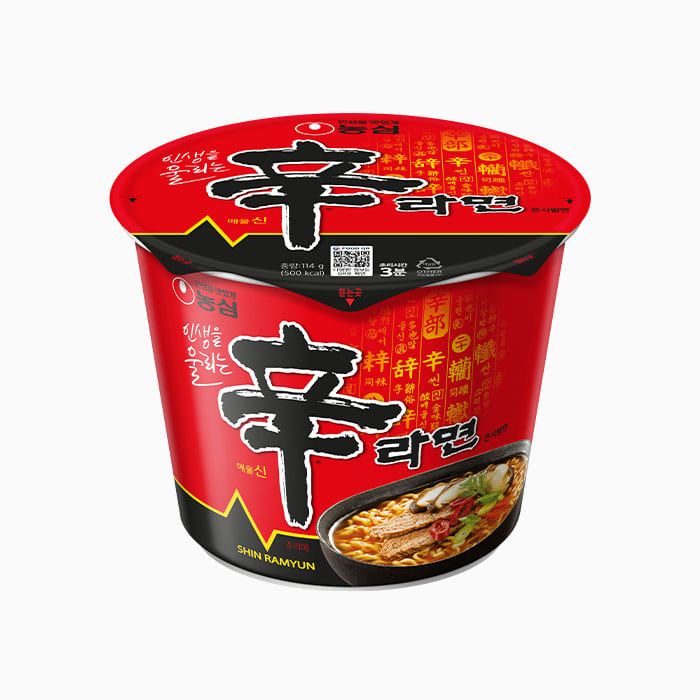
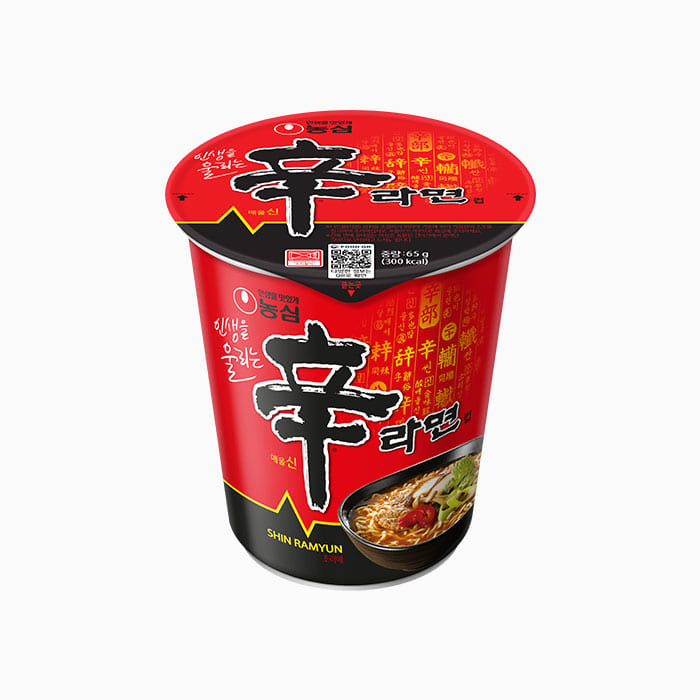
Same name, different recipe: why the size of your Korean ramen matters
Shin Ramyun Cup does not list pork, but Shin Ramyun Big Bowl does. We compared popular Korean ramen side by side using official label data.
How common is pork in Korean packaged food? We checked 2,006 labels
30% of Korean packaged foods in the official Food QR data list pork. For ready-to-eat meals like dosirak and triangle gimbap, it is 57%.
How to read a Korean food label: the words that matter
Where to find ingredients and allergens on a Korean package, and the Korean words for pork, beef, milk, egg, seafood and shared facilities.
Vegan in Korea: where milk, egg and fish hide in packaged food
Only 17% of Korean packaged foods in the official data list no animal allergens. Milk is in 75% of snacks, and anchovy and fish sauce are not allergens at all.
Seafood and shellfish allergy in Korea: what the labels show
42% of Korean packaged foods list shrimp, crab, squid or shellfish, and 64% carry a shared-facility warning. Here is what to watch for.
Korean ramen without pork
Cup and bowl ramen sold in Korean stores whose ingredient label does not list pork.
Korean ramen that contain pork
Popular Korean cup and bowl ramen whose label lists pork as an ingredient or allergen. Many people are surprised by this list.
Korean ramen without shrimp, crab, squid or shellfish
Korean ramen whose allergen list has no shrimp, crab, squid or shellfish. Useful if you have a seafood allergy.
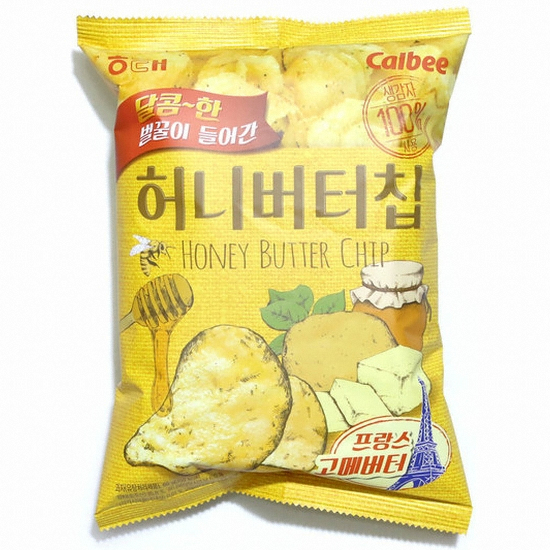
Korean chips without pork
Korean potato chips and snacks whose label does not list pork.
Is Korean ramen halal?
We checked 16 popular cup and bowl ramen sold in Korean stores. None carries halal certification on its Korean label, and every one contains meat. Here is what each one contains.