How common is pork in Korean packaged food? We checked 2,006 labels
K-Food Label · Updated Oct 31, 2026
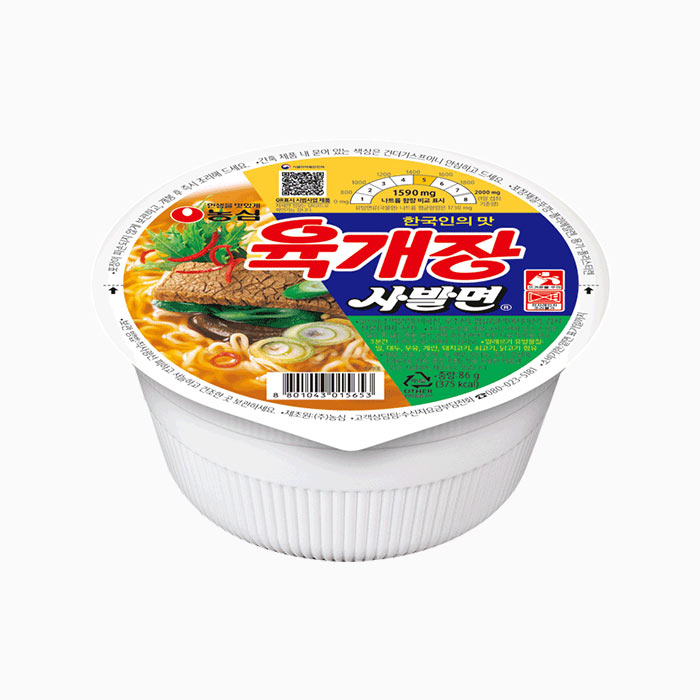
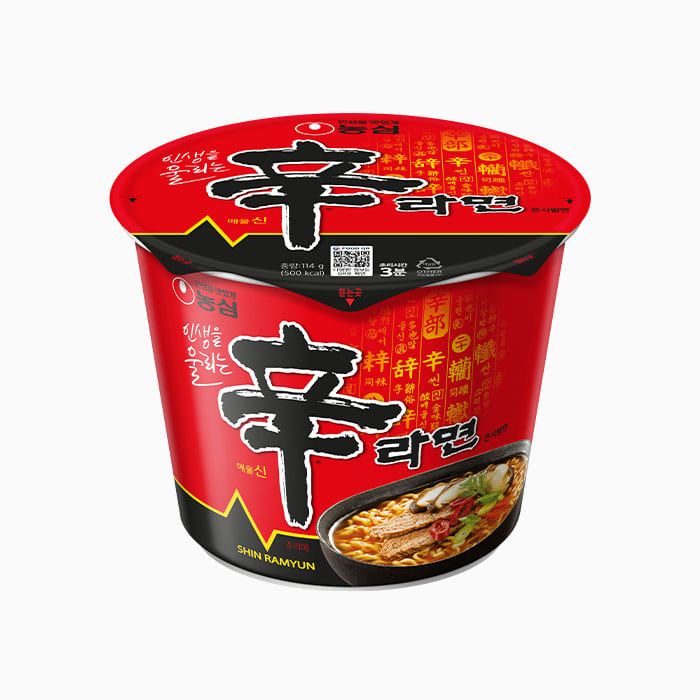
We counted pork in the official Korean label data for 2,006 packaged foods that publish both ingredients and allergens. 611 of them (30%) list pork. Another 790 (39%) do not contain pork but are made in a facility that also handles it.
Ready-to-eat meals are the hardest
Dosirak lunch boxes, triangle gimbap and sandwiches are where pork is most common: 407 of 710 ready-to-eat products (57%) list it. Ham, sausage or bacon appear in 265 ingredient lists. Snacks and sauces are the opposite: few list pork as an ingredient, but many carry a shared-facility warning.
Where pork hides on a Korean label
Pork is not always written as 돼지고기. Watch for 돈육 (pork meat), 돈골 (pork bone), 돈지 (pork fat), 삼겹 (pork belly, though 우삼겹 is beef), 햄 (ham), 소시지 (sausage), 베이컨 (bacon) and 젤라틴 (gelatin, which is often made from pork). Gelatin appears in 35 products in the data.
Do not rely on the allergen line alone
Korean labelling rules require pork to be declared as an allergen, and almost every label does. But in the data, 5 products list a pork ingredient without pork in the allergen line. That is why our checks read both the allergen list and the full ingredient list.
No pork is not the same as halal
Products without pork often contain beef or chicken from sources that are not halal-certified, and the Food QR data does not record halal certification. If you need halal food, look for a certified halal logo on the package.
Numbers are computed from the Food QR label data published by Korea’s Ministry of Food and Drug Safety and update every week. Products without allergen data (460) are excluded.