How to read a Korean food label: the words that matter
K-Food Label · Updated Oct 31, 2026
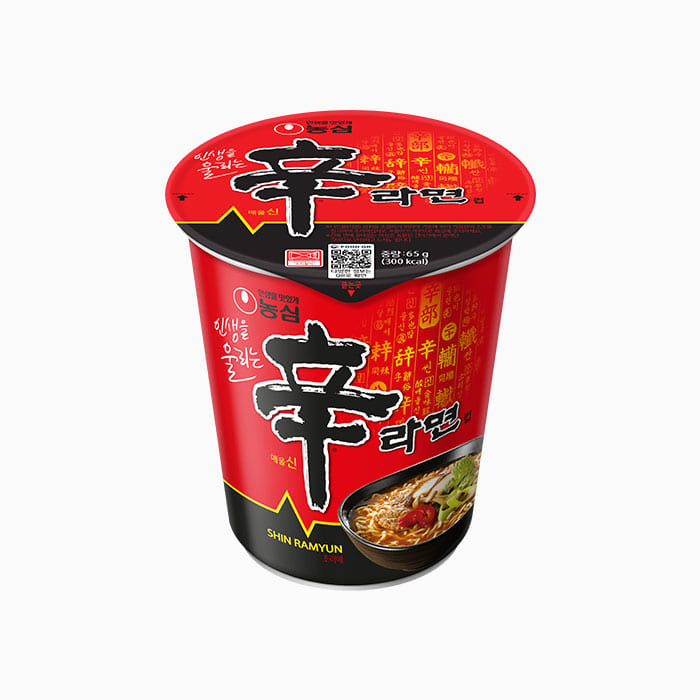
Korean food packaging puts the important information in one box, usually on the back or side. You do not need to read Korean to use it. You only need to recognise a few words.
Where to look
Find the box that starts with 원재료명 (ingredients). Right after the ingredients there is an allergen line, often in bold or in its own box, that starts with 알레르기 유발물질 or ends with 함유 (contains). A separate sentence ending in 같은 시설에서 제조 lists allergens handled in the same factory.
Words to recognise
The last column shows how many of the 2,006 products in the data contain each word in their ingredient list.
| On the label | Meaning | Products |
|---|---|---|
| 돼지고기 | Pork | 467 |
| 돈육 · 돈골 · 돈지 | Pork meat, pork bone, pork fat | 39 |
| 햄 · 소시지 · 베이컨 | Ham, sausage, bacon (usually pork) | 265 |
| 쇠고기 · 소고기 | Beef | 231 |
| 사골 · 우골 | Beef bone broth | 85 |
| 닭고기 · 치킨 | Chicken | 180 |
| 젤라틴 | Gelatin (often from pork or beef) | 35 |
| 우유 · 분유 | Milk | 188 |
| 유청 · 카제인 | Whey, casein (milk proteins) | 121 |
| 버터 · 치즈 | Butter, cheese | 301 |
| 계란 · 달걀 · 전란 | Egg | 360 |
| 난황 · 난백 | Egg yolk, egg white | 319 |
| 새우 | Shrimp | 84 |
| 멸치 | Anchovy | 172 |
| 액젓 | Fish sauce | 140 |
| 조개 · 굴 · 홍합 | Shellfish | 94 |
| 같은 시설에서 제조 | Made in the same facility | 1,288 |
Three habits that help
Read the allergen line first. It is short and uses standard words. Then scan the ingredient list for the hidden words above, like 돈골 or 젤라틴. If your allergy is severe, check the shared-facility sentence too. Or search the barcode on this site to see everything translated.
Numbers are computed from the Food QR label data published by Korea’s Ministry of Food and Drug Safety and update every week. Products without allergen data (460) are excluded.